This column article details the types and methods of body hair transplantation. The characteristics, procedures, risks, and aftercare of each procedure are explained, as well as the precautions patients should know about beard, eyebrow, and eyelash transplant procedures. Individual differences in the effectiveness and course of transplantation as well as psychological effects are also discussed, conveying the potential of body hair transplantation to improve appearance and self-esteem.
Facial hair : Facial hair is transplanted , especially on the cheeks, chin, upper lip, and lower lip . It plays an important role in the aesthetics of men.
Chest and back hair : Chest and back hair are great for areas that require thick, full hair.
Underarm hair : This type of hair is relatively thin and fine, making it ideal for delicate areas.
Hair on the limbs : Hair from the arms and legs is best suited to areas where it grows sparsely.
Abdominal and pubic hair : Often performed for special aesthetic needs or medical reasons.
Eyebrow transplant is a procedure to improve the shape and density of eyebrows. Here, the patient’s desired eyebrow shape and design are discussed in detail and the actual surgery is performed.
Pre-op preparation : First, the patient’s wishes, motivations and chances of success are discussed. Then, the donor site is selected. Donor hair is usually taken from the back of the head.
Surgical method : The IFUE method (Individual Follicular Unit Extraction) is mainly used for the surgery. The IFUE method is a method of transplanting hair follicle units , which has a high hair survival rate and can produce a natural finish.
Anesthesia and Procedure : You will be given anesthesia and the eyebrow incision and insertion procedure will begin. Each hair will be carefully placed to recreate the shape of your eyebrow hair.
Aftercare : Post-operative care is very important. Keeping the treatment area clean and following your doctor’s instructions for proper care will ensure optimal results.
Eyelash transplant
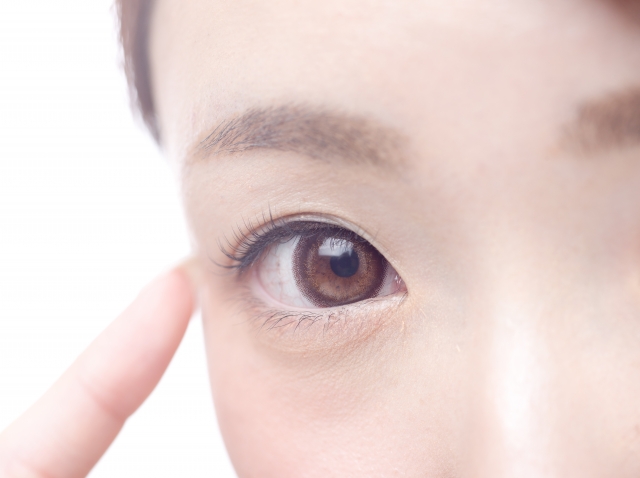
Eyelash transplants are performed to improve the appearance of the eyes, specifically to increase the density and length of the eyelashes.
Pre-operative preparation and donor selection : In eyelash transplantation , the donor hair selected is fine and soft hair from the back of the head, which gives a natural finish and movement.
Insertion and Finish : The donor hair is carefully inserted and positioned to maintain its natural curve and density. Precision is important, especially around the eyes, where mistakes are easily noticeable.
Aftercare and monitoring of growth : Growth after eyelash transplant varies from person to person and will be monitored over a period of several months. Aftercare involves keeping the area clean and following your doctor’s instructions.
Beard transplant
Beard transplants are a popular procedure, especially among men, and are performed to improve the shape and density of facial hair.
Pre-Consultation : Facial aesthetic design and personal preference are important in beard transplantation . We will listen to your wishes and motivations in detail and decide what kind of beard shape you would like.
Donor Selection and Use of IFUE Method : Hair is most commonly harvested from the back of the head, but can be taken from other areas. Using the IFUE method, hair is harvested follicularly to create a natural beard density and pattern.
Anesthesia and surgery : After anesthesia, an incision is made to fit the shape of your beard, and hairs are carefully inserted one by one, recreating the natural growth direction of your beard.
Aftercare : Aftercare involves keeping the wound clean and following the doctor’s instructions for proper care. Follow-up observations will be conducted for several months after the procedure to monitor the growth and outcome of your beard.
Risks and precautions of body hair transplantation
Hair transplantation requires advanced techniques and is recommended to be performed by an experienced doctor to increase the success rate. However, there are some risks and precautions involved.
Risk of infection : Because hair transplantation involves surgical procedures, there is a risk of infection. It is advisable to have the procedure done at a medical institution with strict hygiene management, and disinfection and antibiotics are often administered after the procedure.
Post-treatment inflammation and swelling : After a hair transplant , you may experience swelling and mild inflammation at the treatment site. This usually subsides within a few days, but if it continues for a long period of time, you should consult a doctor.
Survival rate of transplanted hair : In body hair transplantation , it is important that the hair is suitable for the transplanted area. For example, for eyebrows and eyelashes, body hair is softer than scalp hair, so the choice of donor greatly affects the outcome .
Uncomfortable treatment site : The transplanted hair may feel slightly different from the original site. For example, in eyelash transplants , the hair may feel a little stiff and may take some time to get used to.
Results may vary from person to person : The rate at which transplanted hair grows and how it looks after the procedure varies greatly from person to person, so it’s important to discuss your specific expectations with your surgeon beforehand and understand realistic results.
Aftercare of body hair transplant
Aftercare after the procedure has a significant impact on the survival rate and long-term growth of transplanted hair. Below, we will explain the general aftercare procedures and the specific care for each area.
Post-surgery cleanliness : After hair transplantation , keeping the treatment area clean is the first priority. Especially in facial hair or eyelash transplants , the treatment area is exposed to the outside, so it is important to follow the doctor’s instructions and maintain a clean environment to prevent infection.
Protect the treatment area : After transplantation , it is important to avoid rubbing or pulling on delicate areas such as eyelashes or eyebrows . It is recommended to refrain from wearing eye makeup for a while after eyelash transplantation .
Keep the area moist : Dryness of transplanted hair can prevent healthy growth. Your doctor may prescribe you a moisturizing cream or specific moisturizer to use, so be sure to follow their instructions.
Follow-up and regular check-ups : Over the first few months after your procedure , it is important to monitor the growth of your transplanted hair and the health of the area, and to see your doctor as needed. Regular check-ups can help detect and address any problems early.
Specific effects and progress of each treatment
The results of body hair transplants vary depending on the area. Here we will take a closer look at the post-procedure progress for each treatment area.
1. Body Hair Transplant
Body hair transplants aim to achieve a natural finish using body hair. Hair will often fall out for a few weeks after the procedure, but after a period of time the transplanted hair will begin to grow again. In particular, with facial hair and chest hair transplants , it is common for hair to fall out in the early stages and take several months for it to fully grow back.
2. Eyebrow transplant
After eyebrow transplantation , there will be a “hair loss phase” in which the first hairs fall out within a few weeks, followed by a “growth phase” in which the hairs grow again. Usually, noticeable growth can be seen about 3 to 6 months after the procedure, and the final results can be seen about a year later. After the procedure, the density and shape of the eyebrows will gradually settle, achieving a natural look.
3. Eyelash transplant
Eyelash transplants are the slowest growing procedure. Initial growth is seen about 2-3 months after the procedure, and natural eyelash length and density are achieved in about 6 months. In particular, eyelashes are popular with women because the donor hair is thin, making it easier to maintain a natural look.
4. Beard transplant
In beard transplants , the hair will first fall out and then it will take several months for it to grow back. It will take about 6 to 12 months for the transplant to take hold and grow naturally. Since beards greatly affect the impression of your face, choosing the design before the procedure is very important.
Aesthetic and psychological effects
More than just a cosmetic procedure, body hair transplants also have the effect of improving the patient’s self-esteem. In particular, eyebrow and eyelash transplants can improve the balance of the face, which can improve self-confidence and increase self-expression. Beard and body hair transplants can also be a way to establish a personal identity, as they can emphasize a unique appearance, especially for men.
summary
Hair transplantation is thus an important branch of aesthetic medicine, with different procedures being performed according to individual needs. Close communication with the surgeon is essential to meet the individual’s aesthetic needs and achieve a natural look.