この記事の概要
Hair transplantation is a procedure in which one's own hair or artificial hair is transplanted to areas where one is concerned about thinning hair or where hair does not grow back. This article introduces the difference between hair growth, hair extension, and hair regrowth, as well as the characteristics of artificial and own hair, and the advantages and disadvantages of own hair.
What is hair transplantation as a countermeasure for thinning hair?
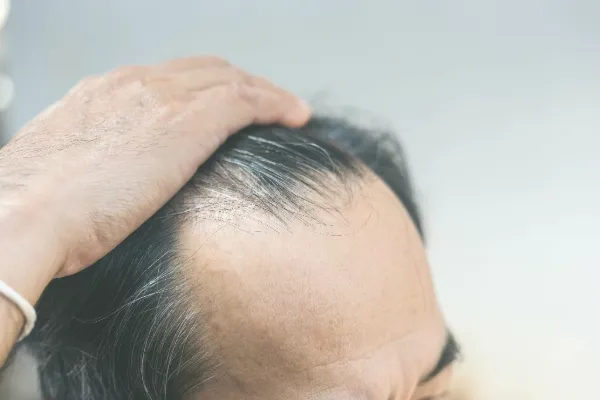
Hair transplantation is a treatment for hair loss in which hair or a hair substitute is directly implanted in areas of the head where hair loss is a concern. Hair transplantation is a surgical procedure used to treat hair loss. Generally, when we think of hair loss treatment, we think of medication such as oral or topical drugs, but once you stop taking medication, there is a risk that your hair will return to thinning again, so once you use the medication, you cannot stop using it. Hair transplantation is characterized by the fact that once the treatment is performed, the effect lasts for a long time, so there is no need for maintenance after the treatment.
Here, we will also introduce hair growth, hair thickening, and hair growth, which are treatments for thinning hair other than hair transplantation.
Difference from hair growth
Hair restoration is the care that you take to ensure that your existing hair grows healthy. This applies to the use of hair growth products, which improve the scalp environment by providing moisturizing care and promoting blood circulation, promoting the maintenance and growth of healthy hair. Scalp massage also falls under the category of hair growth, as it is care for promoting blood circulation.
Hair not only loses its elasticity and body due to aging, poor blood circulation, and poor lifestyle habits, but also hair that does not fully grow and falls out, or becomes thin and short. Hair restoration plays a role in supporting healthy hair growth, so it is recommended for people who tend to have thinning hair.
Difference with hair extensions
Hair extension is a treatment that uses the existing hair as a base and attaches human hair or synthetic hair to give the illusion of increased hair. There are tying methods that connect human hair or synthetic hair, and adhesive methods that attach a sheet of hair to the scalp. This method is recommended for those who want to change their appearance immediately, as the volume of the hair increases immediately after the treatment.
However, it does not actually work on the scalp to encourage hair growth, so if you want to regrow your hair in the future, you should use another method.
Difference from hair growth
Hair regrowth refers to treatment for growing new hair using medication. For example, treatments that use therapeutic drugs to suppress the influence of male hormones that cause hair thinning and improve the hair cycle, or treatments that work on the cells that promote hair growth to improve the hair cycle. There are treatments that can prolong the period.
The feature is that it works not on the hair itself, but on the hair roots where hair no longer grows to restore hair growth function. Hair roots that do not produce hair are either dormant or dead, and if they are dormant, they can be activated with growth factors to encourage hair to grow again.
There are two main types of hair transplantation:
There are two main types of hair transplantation, which involves planting hair or a replacement to encourage growth. Both fall under medical procedures, so if you want to undergo a hair transplant, you will need to have the surgery performed by a doctor at a medically qualified clinic or specialized medical institution.
hair transplant
Hair transplantation is an effective hair thinning treatment for male pattern baldness called AGA, and is often used as an AGA treatment. Hair transplantation is a procedure in which hair from the back and sides of the head, where hair thinning is less likely to occur, is harvested and transplanted to areas where hair thinning or hair loss is a concern. Since the tissue that grows hair is transplanted, hair will begin to grow naturally after the treatment.
AGA occurs when testosterone, a type of male hormone, produces TGFβ1, which suppresses hair growth.AGA occurs in the frontal and parietal regions, and rarely occurs in the occipital and temporal regions.
Therefore, hair loss can be treated from the root by transplanting hair from the back and sides of the head. The characteristics that make it difficult to develop AGA will be carried over even after transplantation, so the frontal and parietal regions of the transplanted area will also be less susceptible to AGA and will continue to regrow. For hair transplantation, fees are determined for each graft, which is a unit of hair follicle.
synthetic hair transplant
Synthetic hair transplantation is a procedure in which artificial hair made from synthetic fibers is implanted instead of your own hair. Since your own hair is not used, your hair will not become thinner in other areas. It also has the advantage of being cheaper compared to natural hair transplantation. However, synthetic hair transplants carry the risk of rejection and inflammation. If the artificial hair does not fit your body, the pores will not close after transplantation, and bacteria may enter, causing suppuration or damaging the pores.
Also, since the artificial hair is implanted, maintenance is required at regular intervals. Due to the high risks involved, the Food and Drug Administration (FDA) in the United States prohibits synthetic hair transplantation procedures. Also, according to the guidelines of the Japanese Dermatological Association, artificial hair transplantation falls under the recommendation level D, “recommended not to be performed.”
Benefits of hair transplantation
Hair transplantation is a hair loss treatment that is less likely to cause rejection because your own hair is transplanted. Once the transplanted hair is established, it will continue to grow semi-permanently, so there is little need for post-surgery maintenance. Unlike hair thinning treatments such as chemical treatments, hair restorers, and wigs, one of the benefits is that there are no maintenance costs once treatment is performed. Since it is your own hair, you can freely style it with perms, hair color, etc.
Hair transplantation is also effective not only for treating thinning hair, but also for areas where hair has become difficult to grow due to injury. Hair transplantation has the role of fundamentally solving hair thinning.
Disadvantages of hair transplantation
The disadvantage of hair transplantation, which is a fundamental solution to thinning hair, is the high cost of the procedure. Prices vary depending on the clinic or specialized medical institution, but it will probably cost at least several hundred thousand yen. Due to the high initial cost, many people may be unable to take the first step compared to other hair loss treatments. However, although the cost per treatment is high, the total cost is considered to be lower compared to other hair loss treatments that require maintenance costs and continuous treatment.
In addition, hair transplantation requires about a year before you can feel the effects, so it is not suitable for people who are looking for immediate results. Another disadvantage is that the survival rate after transplantation depends on the skill of the doctor and nurse who performs the procedure.
summary
There are two types of hair transplantation: natural hair transplantation and synthetic hair transplantation. Synthetic hair transplantation is not recommended in Japan due to its high risks. If you are considering hair transplantation, we recommend natural hair transplantation. Although the cost is high compared to other treatments, the total cost can be kept down as hair will grow semi-permanently after just one treatment.
When performing hair transplantation at Hiro Clinic, we carefully listen to the patient’s symptoms and wishes, and perform treatments tailored to each individual. If you are concerned about thinning hair, please feel free to contact us.
よくある質問
QCan hair transplantation be performed on thinning hair in any area?
AWith hair transplantation, you can basically transplant hair anywhere on your own body. Generally, hair follicles are harvested from the back or side of the head and transplanted to the head, eyebrows, or frown. In other countries, transplantation to beards and transplantation from body hairs other than the head are also performed.
QHow long after hair transplantation does it take for the hair to grow back naturally?
AHair growth from the transplanted area begins about four months after the procedure. After six months, most of the hair will regrow, and 2-3 cm of hair will usually grow fluffy in the transplanted area. It may take 8 months for a short person and about a year for a long person for the hair to grow back naturally.
QOnce hair is transplanted, how long does the effect last?
AAfter hair transplantation, hair grows back semi-permanently. Since hair follicles are harvested and transplanted from areas that are not thinning and the characteristics of the hair remain the same after transplantation, hair can grow back as many times as necessary and the effect will last for a long time.
参考文献