在Hiro Clinic,我们推荐Natural Pro FUE治疗,该治疗可以治疗口服治疗或注射治疗无效的无毛部位,并且几乎不会留下明显的疤痕。 通过从后脑勺采集发根并剃除该区域的毛发,术后管理变得更加容易,并且只移植所需的数量,获得自然的效果。它可以使用局部麻醉作为当日手术进行,以实惠的价格提供逐渐的毛发生长,并且可以在日本安全地进行。
Success rates and failures of hair transplantation: learning from real cases
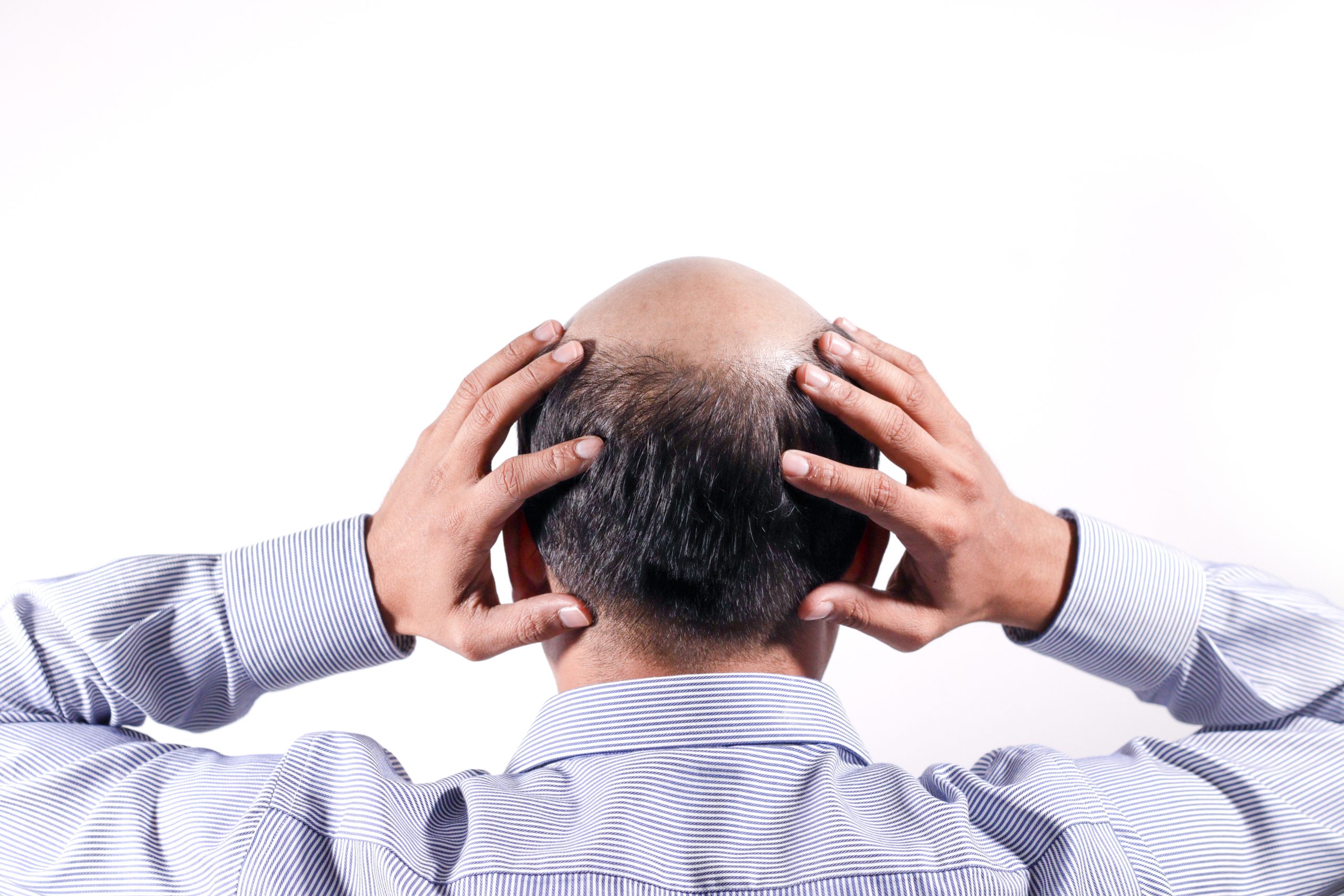
bald businessman with his head on scalp view from behind with white background
この記事の概要
For men suffering from thinning hair, hair transplantation is a beacon of hope. However, hair transplantation has both successes and failures. This article details the success and failure rates of hair transplantation with actual cases, and introduces the key points and precautions for success.
Basic information about hair transplantation
What is hair transplantation?
Hair transplantation is a surgical procedure in which healthy hair is harvested from the back or sides of the scalp and transplanted to thinning areas. There are mainly two methods:
FUT method (Follicular Unit Transplantation): A method in which the skin is cut into strips and transplanted into individual hair follicles.
FUE method (Follicular Unit Extraction): A method in which hair follicles are harvested one by one and transplanted.
Hair transplant success rate
The success rate of hair transplantation is very high, with success rates of over 90% reported if done properly. However, the skills of an experienced doctor and postoperative care are important for success.
Business asian men intend using smartphone on white background, Men gesture mood
real success stories
Success case 1: Case of a man in his 30s
background
Age: 35 years old
Progression of AGA: Norwood classification type 5 (widespread thinning of hair on the crown and frontal region)
Treatment method: FUE method
Procedure of surgery: Counseling and diagnosis: After examination by a specialist, hair transplantation using the FUE method was determined to be optimal.
Preparation before surgery: Health check and confirmation of the donor area in the back of the head.
Surgery: Approximately 3,000 grafts are taken from the back of the head and transplanted to areas where hair is thinning.
Post-operative care: Regular medical examinations and scalp care.
result:
3 months after surgery: New hair begins to grow and thinning areas become less noticeable.
6 months after surgery: Hair density increases and appearance greatly improves.
1 year after surgery: The result looks natural and the patient is very satisfied.
What patients say: “I was nervous before the surgery, but I’m very happy with the results. I’ve regained my confidence.”
Success case 2: Case of a man in his 40s
background:
Age: 42 years old
Progression of AGA: Type 4 of the Norwood classification (moderate hair thinning on the frontal and parietal areas)
Treatment method: FUT method
Procedure of surgery:
Counseling and diagnosis: Hair transplantation using the FUT method was determined to be optimal.
Pre-surgery preparation: Health check and donor area confirmation.
Surgery: Approximately 2,500 grafts are taken from the back of the head and transplanted to areas where hair is thinning.
Post-operative care: Perform wound care and scalp care.
result:
3 months after surgery: New hair begins to grow.
6 months after surgery: Hair density increases and appearance improves.
1 year after surgery: The result looks natural and the patient is satisfied.
Patient feedback: “Hair transplant surgery using the FUT method was more effective than I expected. People around me reacted well to it, and I now have more confidence.”
Treatment method: FUT method (carried out at an appropriate clinic)
Problems with surgery:
Appropriate surgery: The surgery itself was successful and approximately 3000 grafts were implanted.
Inadequate post-operative care: Post-operative instructions were not fully followed and scalp care was insufficient.
result:
3 months after surgery: New hair begins to grow, but some hair falls out.
6 months after surgery: The survival rate is low and the thinning hair area is not completely improved.
1 year after surgery: Partially dissatisfied with the surgical results and considering additional surgery.
Patient’s voice: “The surgery itself went well, but the results were not as expected because I neglected post-operative care.I was acutely aware of the need for proper care.”
Key points for successful hair transplantation
Choose a clinic you can trust: Choose a clinic with a proven track record and staffed by experienced doctors.
Selecting the appropriate surgical method: Choose the surgical method that is appropriate for your level of hair thinning and the condition of the donor area.
Thorough post-surgery care: Follow your doctor’s instructions and review your scalp care and lifestyle habits.
Have realistic expectations: Understand that hair transplant surgery is quick, but it will take time to see final results.
In conclusion
Hair transplantation is a very effective method for hair loss treatment, but choosing the right clinic and post-surgery care are important for success. Learn about the risks and benefits of hair transplant surgery through real-life success and failure cases, and use this information to help you choose the best treatment for you. By continuing proper care under the guidance of a reliable doctor, you can increase the success rate of your hair transplant surgery and achieve satisfactory results.
Hiro Clinic Hair Transplant
At Hiro Clinic, we recommend Natural Pro FUE treatment, which treats hairless areas where oral treatment or injection therapy is not effective, and leaves almost no visible scars. By harvesting hair roots from the back of the head and shaving the area, post-surgery management is easier, and only the required number is transplanted with a natural finish. It can be performed as a same-day surgery using local anesthesia, provides gradual hair growth at an affordable price, and can be safely performed in Japan.